


Why Regular Wheel Alignment and Control Arm Checks Matter
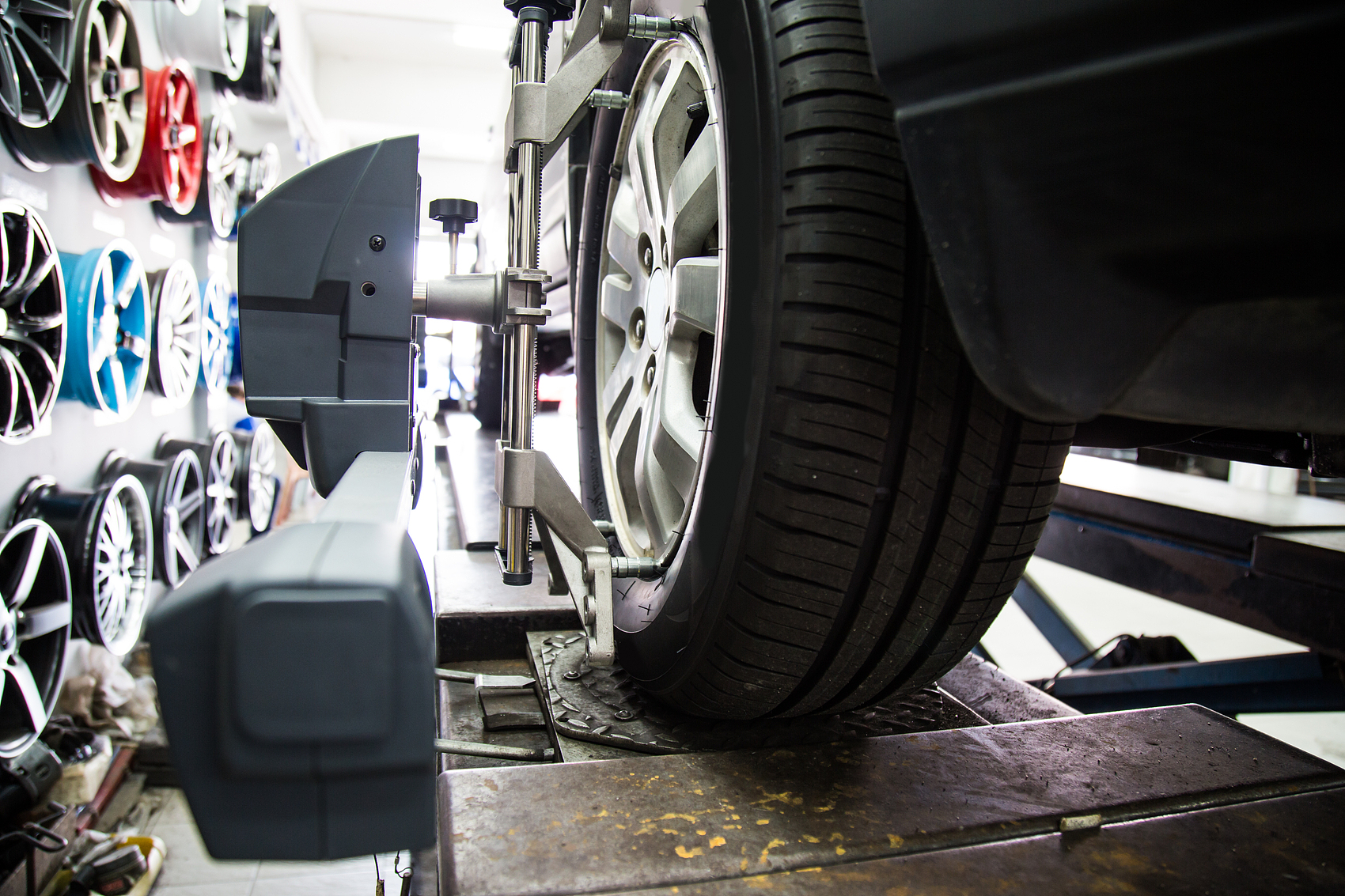
Alignment: The Hidden Fuel Saver
Misalignment increases rolling resistance, leading to higher fuel use and faster tire wear. After hitting winter potholes or curbs hidden by snow, even small toe or camber shifts can cost you tread life and stability. Annual checks—especially after suspension service—pay off quickly.
Control Arms and Bushings: The Foundation of Stability
Control arms maintain wheel position under load. Worn bushings introduce play, causing vague steering, braking pull, and ESC/ABS interventions on rutted winter roads. If you hear clunks over speed bumps or see irregular tire wear, inspect arms, ball joints, and subframe mounts.
When to Replace vs. Repair
In salted climates, complete control arm assemblies are often more cost-effective than pressing individual bushings, because you also renew ball joints and hardware in one step. After replacement, a precision alignment restores geometry and protects new tires.
Road Test Indicators
On a straight, dry road, the vehicle should track true without constant corrections. Under braking, it should stop straight with a firm wheel. If it wanders with crosswinds or follows ruts, your alignment or bushings probably need attention.
Bottom Line
Healthy control arms plus proper alignment keep your vehicle safe, efficient, and calm on Canada’s challenging roads.





Brands and sales networks targeting end users
We are not simply your clients, but rather your extended team in North America.
Copyright 2025 © Omnitra. All right reserved.
