


Top 10 Best Brake Pads for Canadian Roads in 2025
Why Canadian Driving Conditions Demand Better Brake Pads
Canadian roads are tough on braking systems. Long winters, temperature swings from deep freeze to thaw, and liberal use of road salt accelerate corrosion and wear. Add urban stop-and-go traffic in cities like Toronto and Montréal plus long highway stretches across the Prairies, and you get a uniquely demanding environment. Choosing the right brake pads for Canada means prioritizing cold-weather bite, low noise at sub-zero temperatures, corrosion resistance, and predictable stopping power on wet, slushy, or gravel-strewn surfaces.
Friction Materials: Ceramic vs. Semi-Metallic vs. Low-Metallic
Ceramic pads excel in quiet operation and low dust, and they maintain stable friction as temperatures rise. They often perform well in light-to-moderate winter use, but some budget ceramics can feel numb on very cold mornings until warmed up. Semi-metallic pads offer stronger initial bite and better heat shedding, making them ideal for heavier vehicles, towing, mountain descents, and repeated stops. Their trade-offs are more dust and potential noise if shims and chamfers are poor. Low-metallic NAO blends try to balance cold-bite and noise, with moderate dust and good pedal feel. For Canadian drivers, a premium ceramic or performance-grade semi-metallic is typically the safest bet.
Cold-Weather Performance and Noise Control
At -20°C, pad compounds stiffen, rotors shrink slightly, and clearances change—this is where chamfered edges, multi-layer shims, and high-quality slotting matter. Look for pads with moly or graphite lubricity in the transfer film, multi-layer rubber-coated shims, and rotor-friendly blends that reduce squeal during the first few cold stops. A proper bed-in procedure is still critical to minimize noise and glazing.
Corrosion Resistance and Hardware Quality
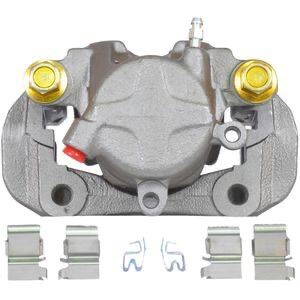
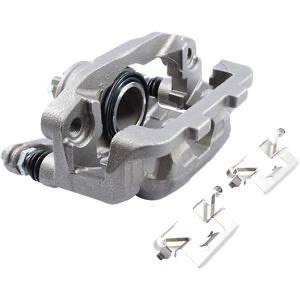
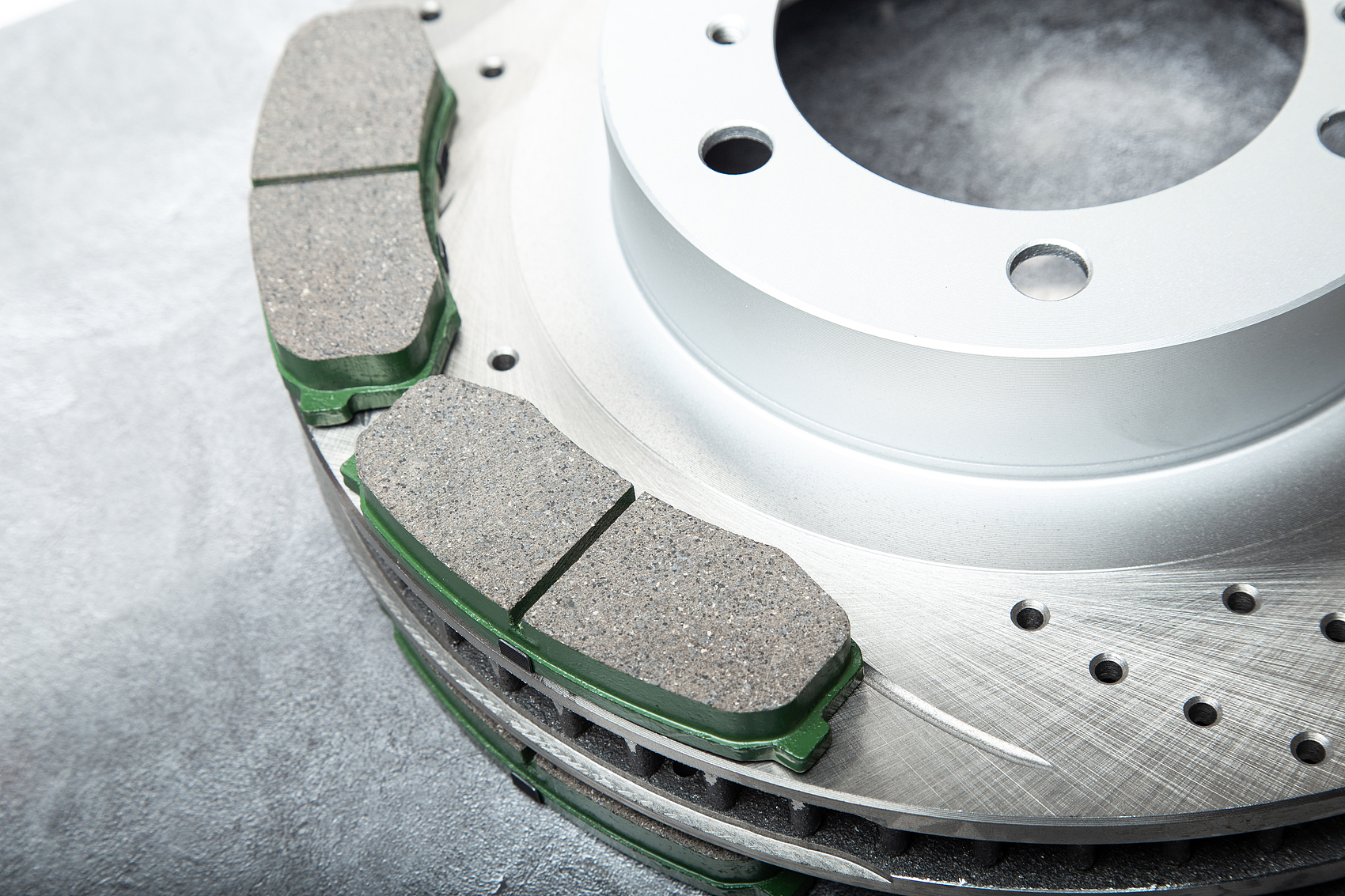
Road salt attacks abutment clips, backing plates, and calipers. Premium kits include stainless steel hardware, anti-rattle springs, and high-temp silicone grease. Coated backing plates and powder-coated shims slow rust creep that otherwise leads to pad binding and uneven wear. When comparing options, treat included hardware as a top-tier feature, not an accessory.
Driving Profiles: Match the Pad to Your Use Case
If you primarily commute in the city, a quiet ceramic with low dust and stable friction will feel refined. For rural highways with wildlife stops and gravel shoulders, consider a semi-metallic with higher μ at low temperature and better bite through debris. For SUVs and trucks that tow, choose a towing-rated semi-metallic compound to resist fade on long downhill grades in BC or the Laurentians.
Rotor Compatibility and Bedding-In
The best pad will underperform on a glazed or corroded rotor. Inspect thickness, runout, and surface finish; replace or resurface as needed. After installation, follow the manufacturer’s bedding-in sequence—typically a series of medium stops from 60–15 km/h without coming to a full stop—so a uniform transfer layer forms. This step is vital for noise control and consistent pedal feel in the cold.
Maintenance Tips for Longer Pad Life
Rinse wheel wells after storms to reduce salt buildup. Lubricate slide pins every service interval. In provinces with harsher winters, plan a spring brake service to remove rust scale from pad channels and caliper brackets. Small habits prevent dragging pads, warped rotors, and premature wear.
Buying Checklist for Canadians
Look for: validated cold-bite ratings, coated hardware included, multi-layer shims, chamfered/slot designs, and rotor-friendly compounds. Avoid: uncoated backing plates, no-hardware kits, and friction materials without published temperature ranges. The pad that is quiet and confident below freezing will feel even better in July.
Bottom Line
For most Canadian drivers, premium ceramics deliver the refined experience they want year-round, while heavy vehicles and towers should choose a high-grade semi-metallic. Pair with coated rotors and a careful bed-in to get safe, quiet stops through every season.






Brands and sales networks targeting end users
We are not simply your clients, but rather your extended team in North America.
Copyright 2025 © Omnitra. All right reserved.
