


How to Choose the Right Winter Tires and Steel Rims in Canada
Why Steel Rims Make Sense for Winter
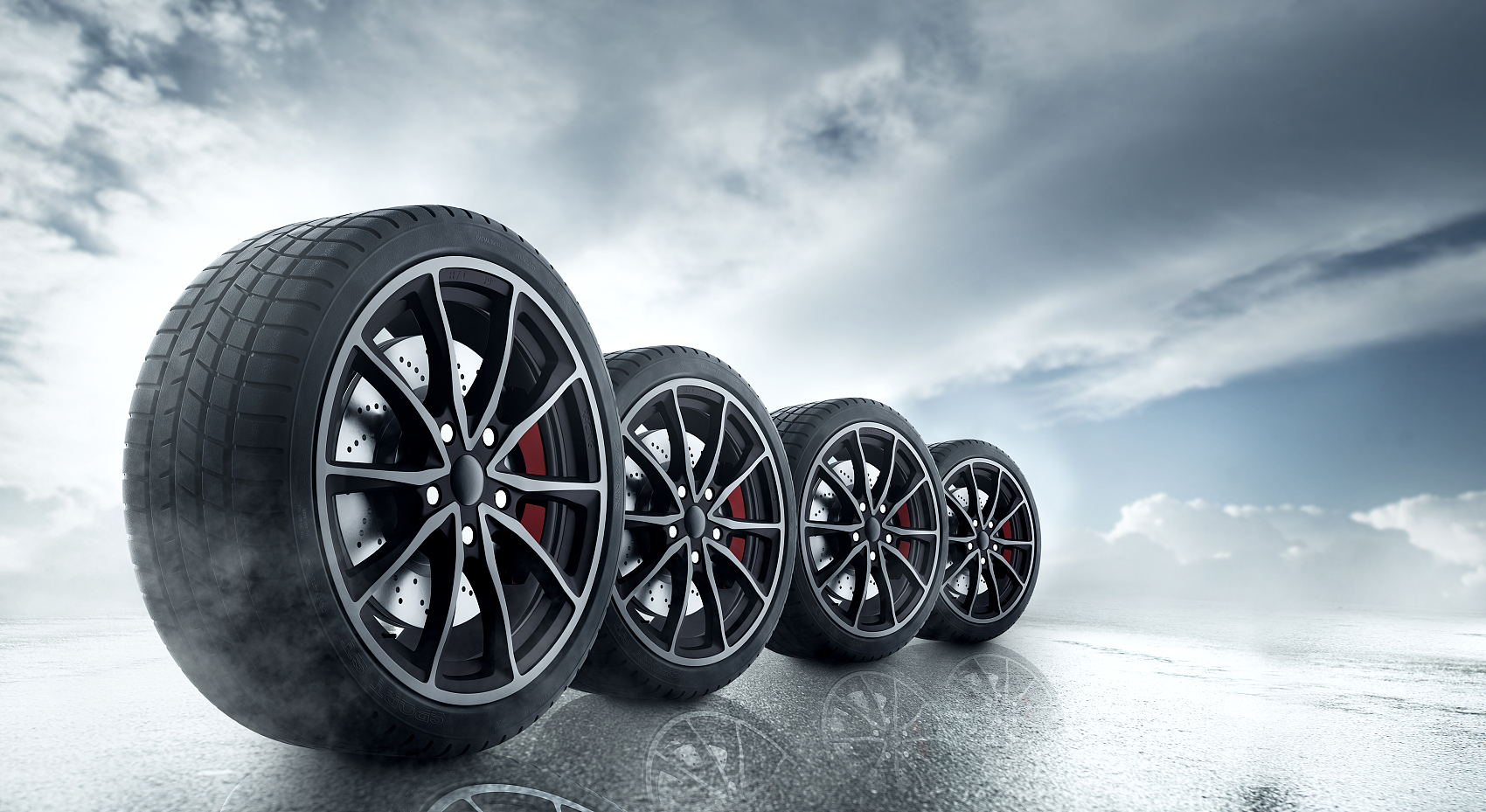
Steel rims are a practical winter choice because they are robust, cost-effective, and less susceptible to cosmetic damage from salt and gravel. Pairing winter tires with dedicated steel rims avoids repeated tire mounting, protects your summer alloys from corrosion, and speeds up seasonal changeovers. In regions with long winters, this setup pays for itself in time and wheel longevity.
Sizing Basics: Diameter, Width, and Offset
Match the rim diameter to your winter tire size, often one step narrower than summer spec for better snow traction. Verify bolt pattern, hub bore, and offset against your vehicle’s fitment guide. A slightly smaller diameter wheel with taller sidewalls can improve ride comfort and snow compliance while protecting rims from potholes common in freeze-thaw cycles.
Winter Tire Types: Studless, Studdable, and Performance Winter
Studless tires use advanced compounds and siping to grip ice without studs—ideal for city and mixed-highway driving across much of Canada. Studdable options accept metal studs for extreme ice regions; check provincial rules before installing. Performance winter tires maintain higher-speed stability for milder corridors but may trade off ultimate ice grip. For most Canadians, a premium studless tire on steel rims is the all-rounder.
Compound and Tread Design Matter
Look for silica-rich compounds that remain flexible well below freezing, plus dense siping patterns that interlock with ice. Wider circumferential grooves clear slush; directional or V-shaped patterns help evacuate water. Ensure the Three-Peak Mountain Snowflake symbol is present—this indicates the tire meets severe snow service requirements.
TPMS, Hardware, and Coatings
If your vehicle uses direct TPMS sensors, budget for additional sensors on the winter steel rims. Choose rims with corrosion-resistant coatings and use winter-grade, closed-end lug nuts. Anti-seize on the hub face helps prevent frozen wheels during deep cold snaps.
Storage and Rotation
Store off-season sets in cool, dry, and dark conditions. Keep tires inflated and stacked, or hang them to prevent flat-spotting. Rotate winter tires mid-season to even wear, especially on front-heavy vehicles or AWD systems that bias torque.
Bottom Line
Dedicated winter tires mounted on steel rims offer maximum safety, simpler changeovers, and better long-term value. Choose fitment carefully, confirm TPMS needs, and protect your investment with proper storage.





Brands and sales networks targeting end users
We are not simply your clients, but rather your extended team in North America.
Copyright 2025 © Omnitra. All right reserved.
