



Complete Guide to Suspension Maintenance for Canadian Drivers
Why Suspension Suffers in Canada
Freeze-thaw cycles create potholes, frost heaves, and cracked surfaces that hammer shocks, struts, control arms, and bushings. Salt accelerates corrosion at ball joint housings and spring seats. Over time, ride height drops, alignment shifts, and tires wear irregularly—hurting comfort, safety, and fuel economy.
Key Components and Symptoms
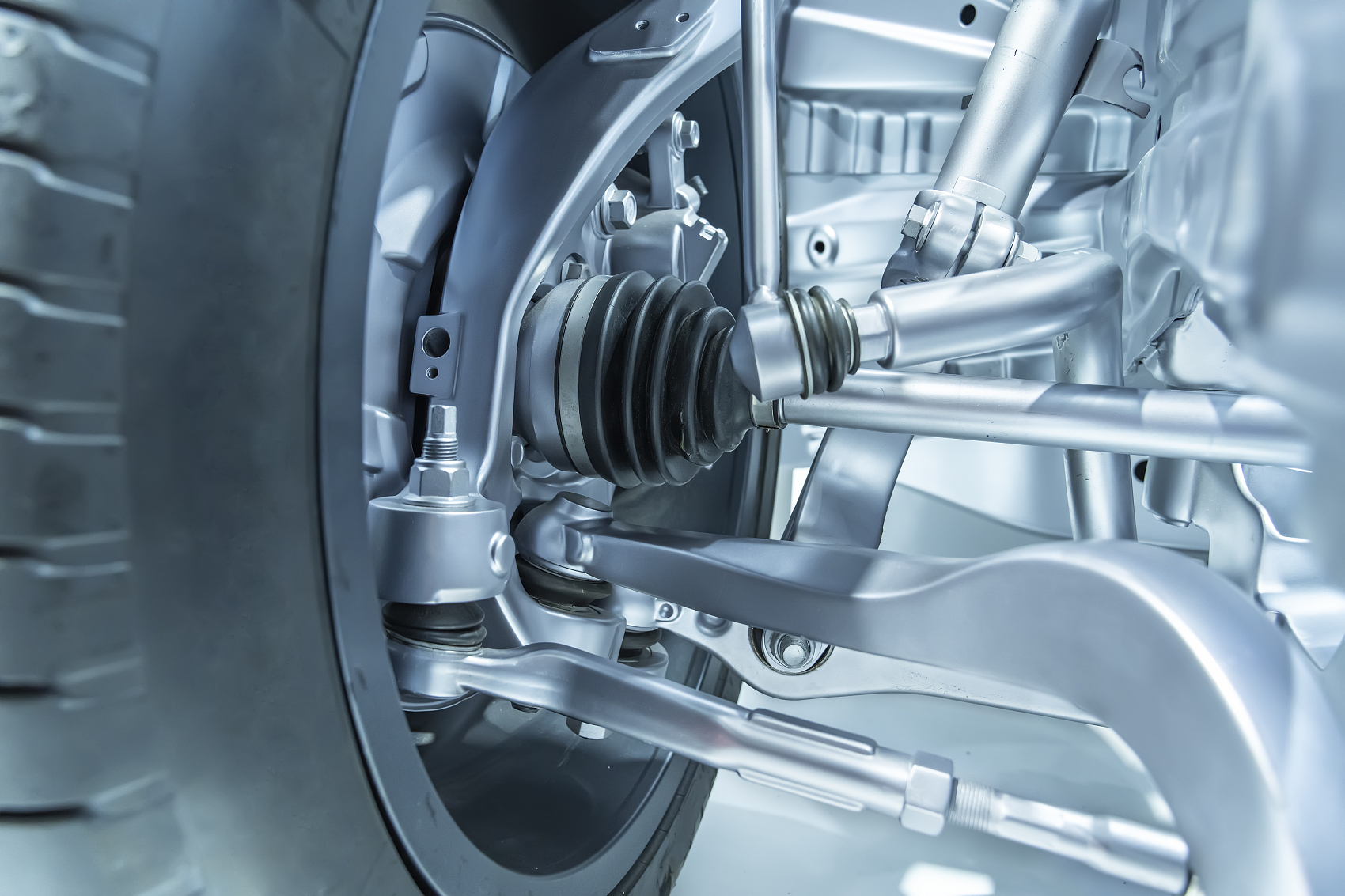
Shocks/Struts: Look for oil weep, bouncing after speed bumps, nose dive under braking, or rear squat on acceleration. Control Arms/Bushings: Clunks over bumps, wandering steering, and instability in crosswinds point to worn bushings or ball joints. Wheel Bearings: A low growl that changes with speed or turns. Sway Bar Links: Rattles on rough roads and reduced cornering stability.
Service Intervals and Inspection
Inspect suspension at every seasonal tire change. In high-mileage or rough-road usage, plan full shock/strut evaluation around 80,000–100,000 km. Check boots and dust covers, measure ride height, and test for free play at joints. Corrosion around spring perches and strut towers deserves immediate attention.
Complete Struts vs. Bare Struts
Complete assemblies include the coil spring, mount, and bearing—ideal in salted climates because you replace corroded hardware all at once and restore proper preload and ride height. Bare struts cost less but reuse old mounts and springs, which may already be fatigued or rusty.
Alignment and Tires
After suspension work, a four-wheel alignment is essential. Canadian roads can knock alignment out quickly; correcting camber and toe preserves expensive winter tires and restores confident straight-line stability on rutted highways.
Winter-Proofing Tips
Wash underbody often, especially after brine events. Apply cavity wax or corrosion inhibitors to brackets and subframes. Replace rubber components with cold-rated compounds where available. These steps extend the life of every suspension dollar you spend.
Bottom Line
Routine inspections, timely replacement of wear items, and alignment checks keep Canadian vehicles safe and comfortable despite harsh roads and winter corrosion.



Brands and sales networks targeting end users
We are not simply your clients, but rather your extended team in North America.
Copyright 2025 © Omnitra. All right reserved.
