



Canadian Car Maintenance Checklist for 2025
Seasonal Essentials
Winter: Install winter tires on steel rims, check battery health, replace worn wipers, and verify coolant concentration. Spring: De-salt underbody, inspect brakes for seized hardware, service suspension bushings, and align wheels. Summer: Monitor A/C performance, tire pressure rise, and coolant fans. Fall: Replace fluids as needed, test heaters and defrosters, and prepare your emergency kit.
Brakes and Rotors
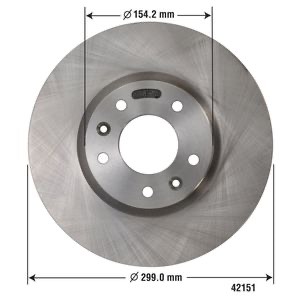
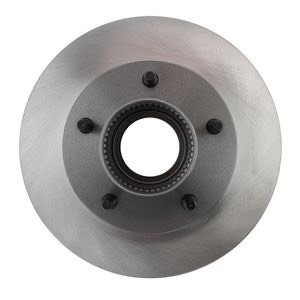
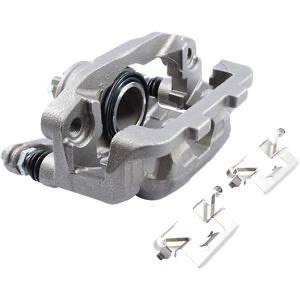
Measure pad thickness and rotor runout. Replace with compounds that maintain cold-bite and choose coated rotors to resist rust. Lubricate slider pins and verify even pad movement to prevent winter squeal and drag.
Suspension and Steering
Inspect shocks, struts, control arms, and links at every tire change. Replace leaking or weak dampers to regain stability on uneven surfaces. Address any clunks early to avoid collateral damage to tires and hubs.
Tires and Wheels
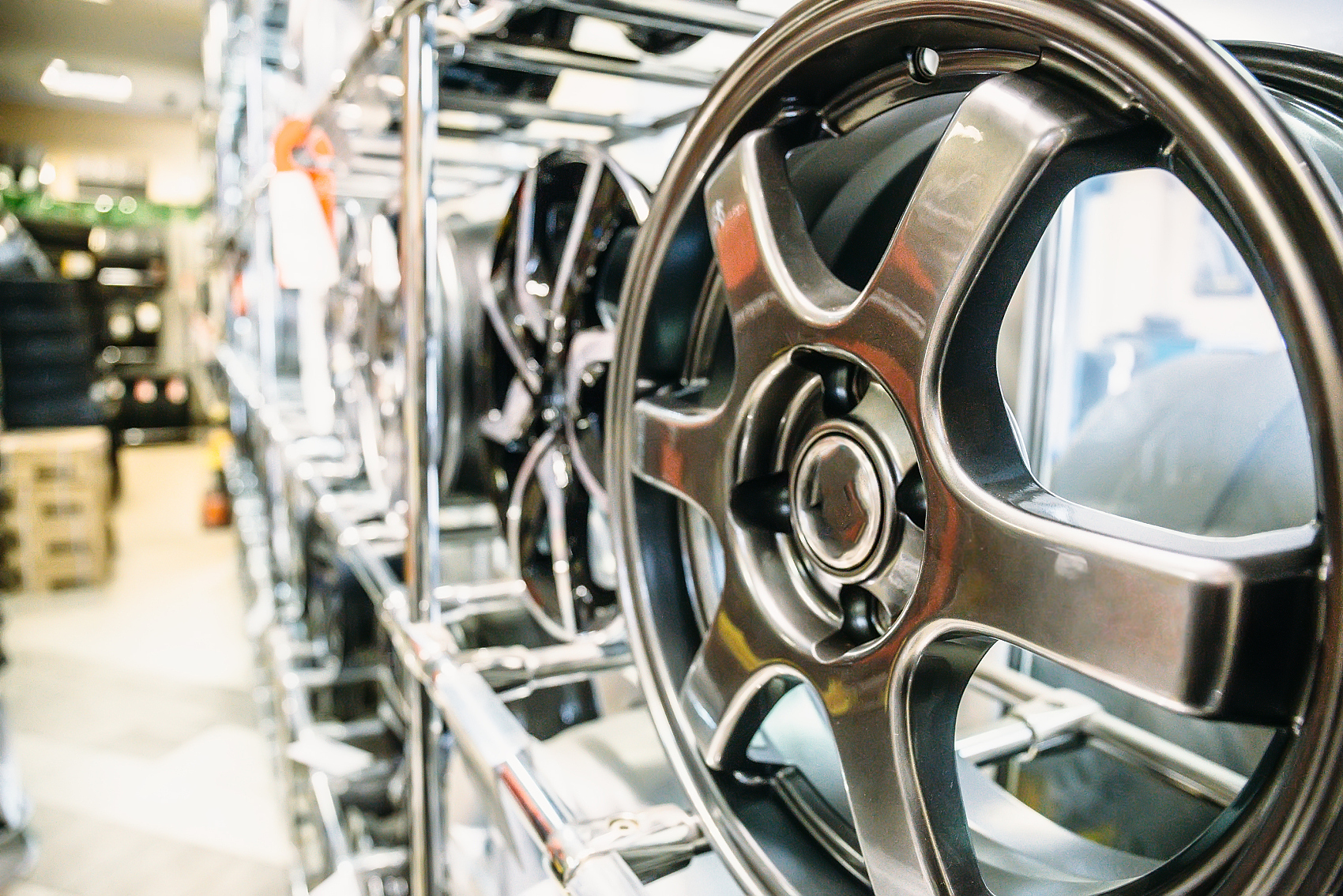
Check tread depth and age, rotate on schedule, and keep pressures at manufacturer specs—pressures drop with temperature. Consider dedicated winter sets in snowy provinces to improve braking and cornering.
Fluids and Filters
Engine oil should meet winter viscosity recommendations. Use low-temp washer fluid, keep coolant within spec, and replace cabin and engine air filters to maintain airflow and defogging performance.
Electrical and Lighting
Test battery state of charge, clean terminals, and inspect grounds. Confirm all exterior lights work—short daylight hours make visibility critical in Canadian winters.
Emergency Preparedness
Carry a booster pack, shovel, traction aids, gloves, and a warm blanket. Keep a small bottle of de-icer and a headlamp. A few inexpensive items can turn an emergency into a manageable delay.
Bottom Line
Follow this checklist to keep your vehicle reliable, efficient, and safe through Canada’s seasons. Proactive maintenance is the simplest way to avoid breakdowns and protect your budget in 2025.


Brands and sales networks targeting end users
We are not simply your clients, but rather your extended team in North America.
Copyright 2025 © Omnitra. All right reserved.
