


How to Identify OEM vs. Aftermarket Parts in Canada
Definitions That Matter
OEM (Original Equipment Manufacturer) parts match factory specifications and often come with premium pricing. Aftermarket parts are produced by third-party manufacturers, ranging from economy to performance-grade. In Canada, both can be excellent; the key is sourcing and specification.
Packaging, Fitment, and Finish
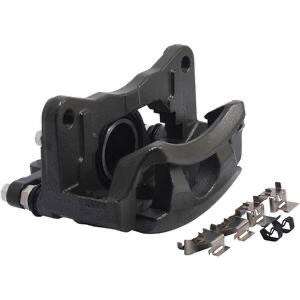
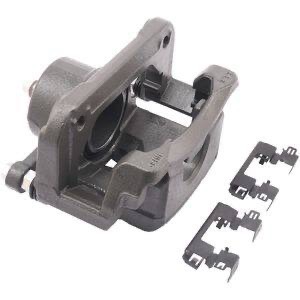
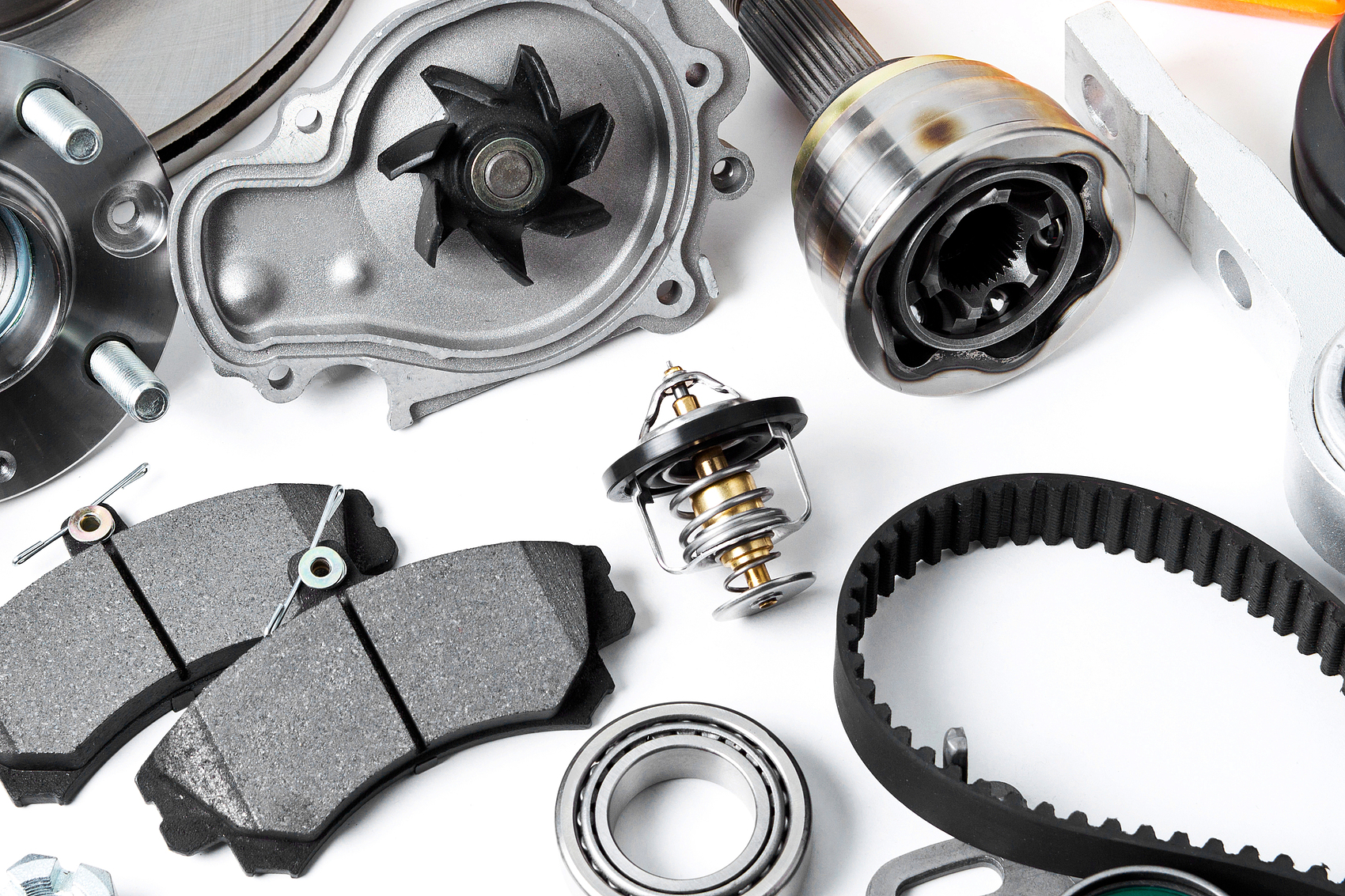
OEM parts typically have consistent finishes, precise casting marks, and identical hardware to factory components. Quality aftermarket options show similar precision and often include upgrades like coated hardware or improved compounds (for pads). If tolerances are loose or coating is inconsistent, be wary.
Warranty and Standards
Reputable aftermarket brands publish testing standards (e.g., friction performance, salt spray hours, tensile strength). Look for meaningful warranties that cover both material defects and premature wear—especially important for Canadians facing corrosion.
When Aftermarket Is the Better Choice
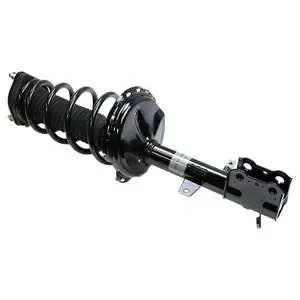
For rotors, pads, and suspension, many aftermarket brands offer weather-resistant coatings, enhanced shims, and complete kits that outperform base OEM parts in harsh climates. For complex electronics or ADAS-related sensors, OEM or OE-equivalent may reduce calibration headaches.
Total Cost of Ownership
Consider price, service time, and longevity. A slightly pricier coated rotor that survives three winters can be cheaper than a bare rotor that rusts out in one season. The smart Canadian strategy is “premium where it counts, value where it’s safe.”
Bottom Line
Don’t default to OEM or aftermarket blindly. Evaluate coatings, hardware, testing data, and warranty—then buy the part that suits Canada’s climate and your vehicle’s mission.




Brands and sales networks targeting end users
We are not simply your clients, but rather your extended team in North America.
Copyright 2025 © Omnitra. All right reserved.
